

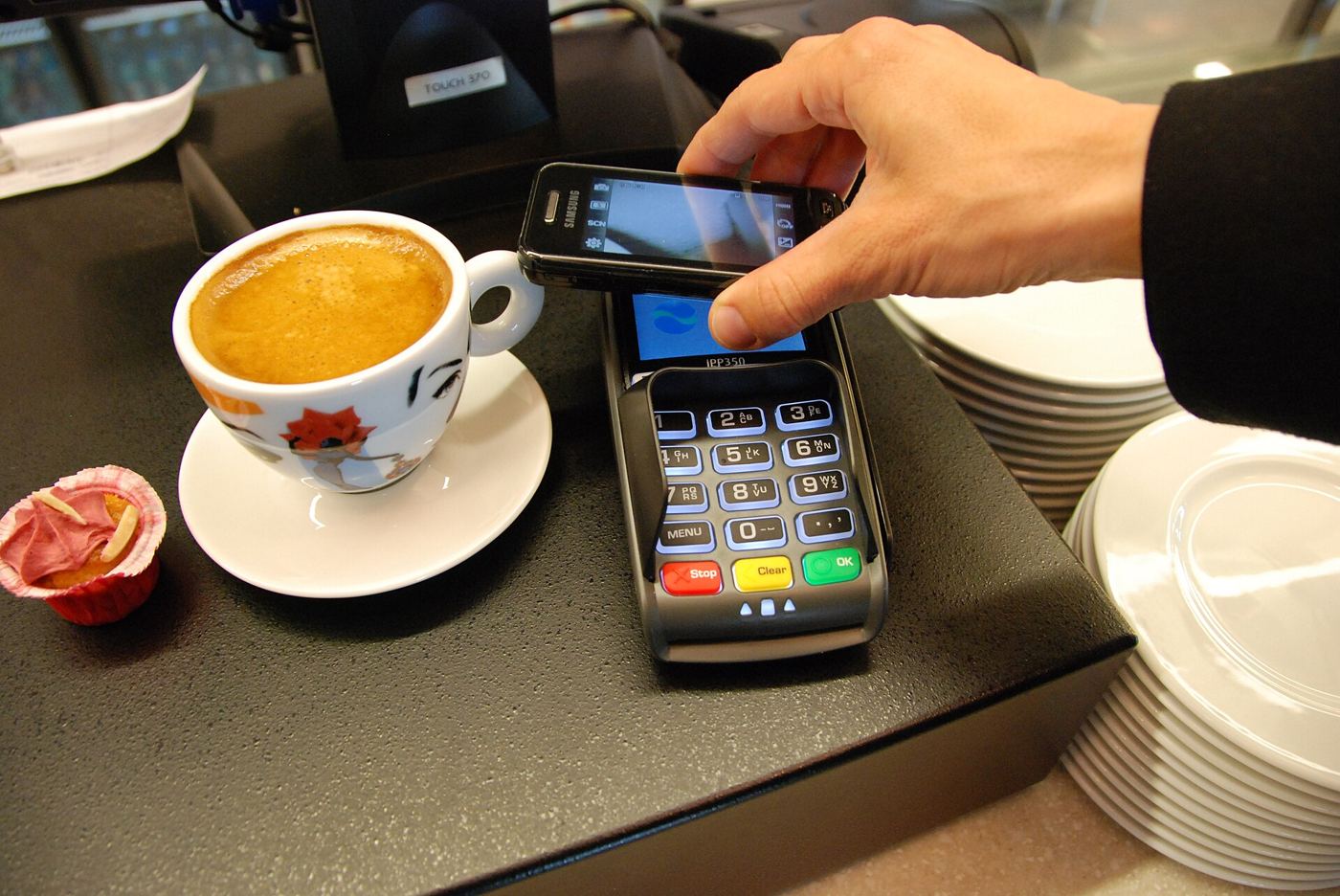
Cash is losing its crown with remarkable speed. In country after country, instant account-to-account payments, QR codes and phone taps have become the default way to pay for everything from metro rides to market vegetables. The shift is more than convenience: digital payments leave records that help small businesses borrow, let governments deliver support directly to citizens and cut the cost of moving money across borders. Central banks, fintech startups and global card networks are all racing to define the rails money will travel on next.
Instant Systems Set the Pace
The models differ — some countries built public instant-payment systems, others rely on private networks — but the user experience converges: money moves in seconds, at any hour, for near-zero fees. Research highlighted by the IMF links fast-payment adoption to measurable gains in financial inclusion, particularly for rural households and women receiving payments into accounts they control for the first time.
For merchants reading our finance coverage, the trade-offs are tangible. Digital payments eliminate cash handling and counterfeit risk, speed up checkout and generate the transaction history lenders use to assess creditworthiness. Against that sit platform fees, connectivity dependence and fraud risks that evolve as fast as the technology, pushing regulators to mandate stronger authentication and clearer liability rules.
Cash’s Long Goodbye — and Its Defenders
Not everyone celebrates. Privacy advocates warn that a cashless society hands enormous visibility to payment providers and states, while inclusion experts note that elderly, poor and rural users can be stranded when services go digital-only or networks fail. Several countries have legislated to keep cash accepted for essential purchases, treating physical money as resilience infrastructure — the payment method that works in blackouts, disasters and for those outside the banking system entirely.
The likely outcome is a hybrid era rather than a cashless cliff edge: digital by default, cash by right. Meanwhile the frontier moves on to cross-border payments, where costs remain stubbornly high, and to programmable money for business settlements. How the world pays sounds mundane; in practice it decides who participates in the economy and on what terms — which is why this quiet revolution deserves close attention.
Small experiments at the frontier hint at what comes after instant payments. Offline digital cash pilots aim to serve regions with unreliable connectivity, letting value move phone-to-phone and settle later. Cross-border corridors between fast-payment systems are being linked so that a transfer abroad behaves like a domestic one — instant, cheap and transparent about fees before sending. If those links scale, the economics of migration, trade and aid all shift quietly but permanently. The history of money suggests such plumbing changes are rarely noticed in real time and are obvious, in retrospect, as turning points.
Remittances show the stakes most clearly. Workers sending money home still lose several percent on average to fees and exchange margins, a tax on the world’s poorest families. Every digital system that cuts that cost toward the international target of under three percent returns real income to households — money that becomes school fees, medicine and small business capital within days.
