

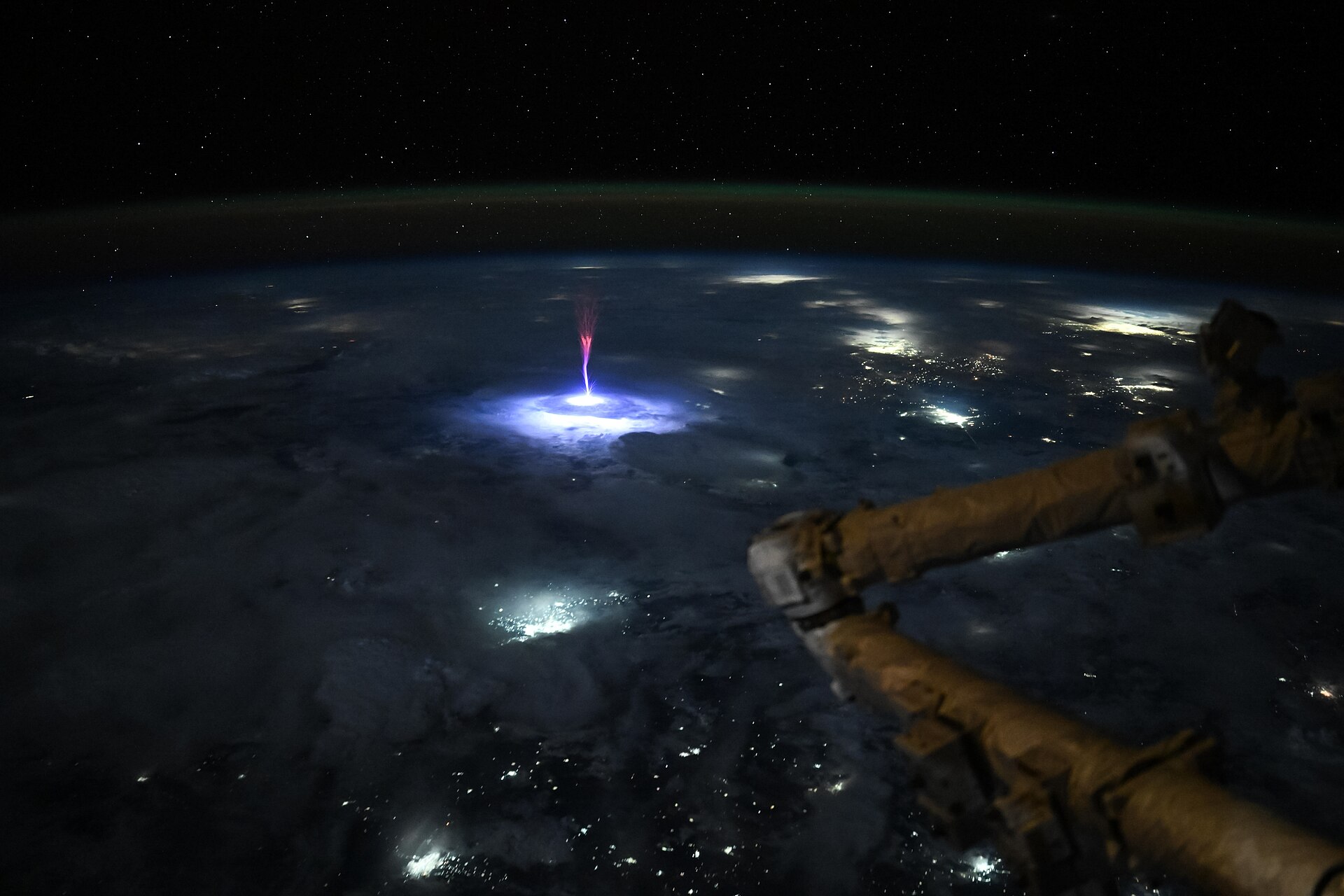
Low Earth orbit has become the most valuable congested space humanity manages. Through it pass the satellites that forecast weather, time financial trades, guide aircraft and ships, and carry the broadband and imagery on which modern life quietly depends. Around those working machines circles a growing halo of junk: dead satellites, spent rocket stages and fragments from collisions and explosions, each piece travelling fast enough to destroy whatever it strikes.
The problem compounds itself. Every collision creates new fragments, which raise the odds of further collisions, a cascade researchers have warned about for decades. The European Space Agency maintains some of the most detailed public accounts of the debris environment and the mitigation rules designed to keep it usable, and its assessments share a consistent message: the era of treating orbit as an infinite sink is over.
How Crowded Orbit Has Become
Tracking networks catalogue tens of thousands of objects large enough to follow reliably, most of them debris rather than working satellites. Below the catalogue threshold lies a far larger population, millions of fragments too small to track individually but quite large enough, at orbital velocities, to puncture a spacecraft or cripple a solar array. Even a fleck of paint has pitted the windows of crewed vehicles.
Meanwhile the traffic of live satellites is growing faster than at any point in history, as commercial constellations place hundreds or thousands of near-identical spacecraft into similar orbits. These operators generally manoeuvre responsibly and deorbit their satellites at end of life, but sheer numbers multiply conjunction warnings, the alerts that force operators to assess collision risks and sometimes move a working satellite to stay safe.
Tracking the Dangerous Pieces
The first line of defence is knowing where everything is. Military radar networks, commercial telescopes and new dedicated tracking firms feed orbital catalogues that improve year by year, shrinking the uncertainty ellipses within which a fragment might lie. Better tracking means fewer false alarms, fewer wasted manoeuvres and earlier warning of the encounters that genuinely matter.
Data sharing remains the awkward part. Operators guard their satellites’ precise positions for commercial and security reasons, while many debris objects belong to no active owner at all. International coordination is improving through shared standards and alert services, but the system still relies heavily on goodwill. A single authoritative, trusted traffic picture for orbit, routine in aviation, remains an aspiration rather than an achievement.
Removal Missions Take Off
Prevention alone cannot clear the legacy debris already aloft, so a new industry is learning to remove it. Demonstration missions have rendezvoused with target objects and tested capture methods ranging from nets and harpoons to robotic arms and magnetic docking plates. The technical choreography, approaching an uncooperative, tumbling object without creating the very collision everyone fears, is among the hardest in modern spaceflight.
Harder still is the business and legal case. Removing one large rocket stage may cost as much as launching it did, the object legally remains its owner’s property however derelict, and no one yet agrees who should pay for cleaning a commons everyone used freely for sixty years. Even so, the direction is set: licensing regimes increasingly require disposal plans, insurers are pricing debris risk, and the first commercial removal contracts have been signed. Orbit’s clean-up will be slow, expensive and unglamorous, and like most essential maintenance, its success will be measured by the disasters that never make the news. The alternative, an orbit gradually closed by its own debris, would be a self-inflicted loss no spacefaring nation can afford to accept. Every successful removal, every satellite safely retired and every fragment tracked a little more precisely buys time for the rules, technology and funding to catch up with the scale of the problem.
Read more on newsthe.com and in our Tech pages.
